TEME MUGS · MANUFACTURING
Ceramic Mugs / Materials & Glazing
Ceramic Mug Materials, Glazes & Finish Options
Material and finish decisions should follow the way a mug will be bought, used and evaluated. A pale body, glossy surface or mottled color in a photograph is an appearance reference, not a confirmed technical specification. This guide helps retail, promotional and hospitality buyers prepare questions about ceramic bodies, glazing, decoration and product-level evidence. Discuss the selected mug with Teme Mugs before treating any material or finish option as available for an order.
Discuss Mug Material & Finish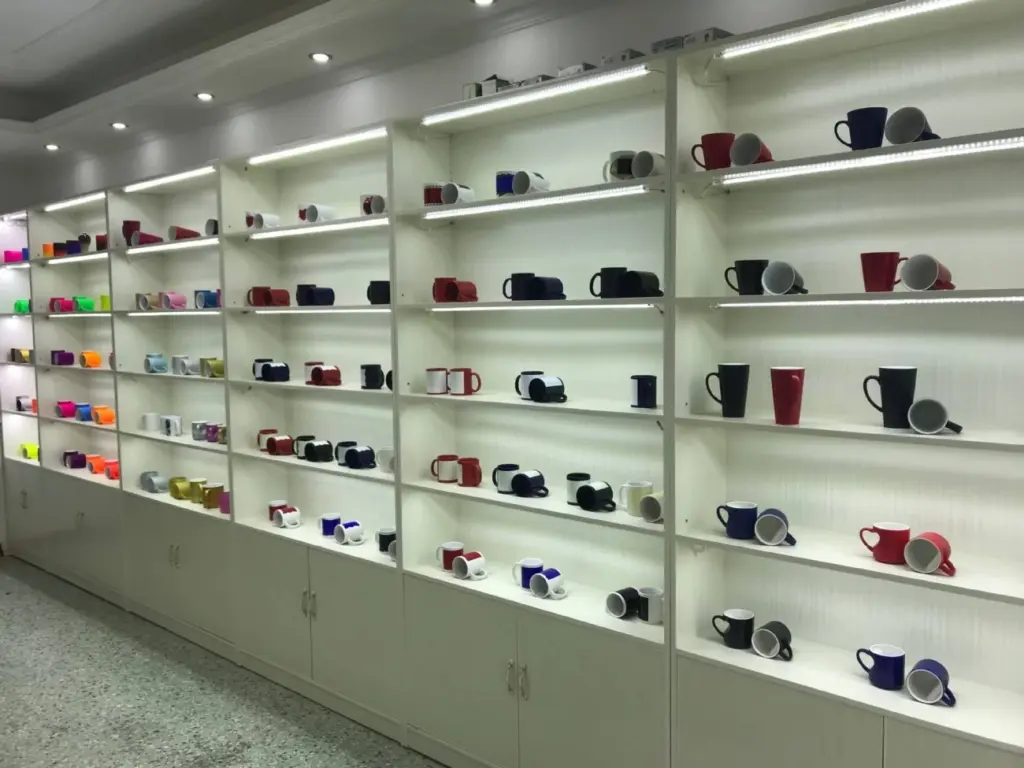
| Decision | Reference to request |
|---|---|
| Body description | Proposed body and finished-product requirements |
| Surface appearance | Physical finish sample and viewing conditions |
| Decoration | Approved placement and decorated sample |
| Use claims | Evidence appropriate to product and market |
Common Ceramic Bodies
Porcelain, stoneware and other ceramic bodies
Porcelain, stoneware and earthenware are ceramic body descriptions, not interchangeable guarantees of quality. A body name alone does not define a finished mug's weight, wall thickness, care requirements or suitability for an intended use. Ask for the proposed body description rather than assigning one from its color.
Match a body to the intended use
State the application, desired appearance and any handling or performance requirements. A retail gift mug and a repeatedly handled café mug may need different evaluation priorities. Compare the actual finished samples and their documentation, not a ranking that assumes one ceramic body is always superior.
Color, Glaze and Surface Finish
Gloss, matte and textured appearances
Glossy, matte, textured and color-varied appearances can create different visual directions. The finish seen online should be used to describe a target, not to identify an unverified glaze chemistry or firing method. Ask which finish can be evaluated on the selected mug shape.
Approve color under agreed viewing conditions
Use a physical reference and agreed lighting for approval. Indicate whether the interior, exterior, rim or handle is especially important. A printed color reference can communicate intent, but it does not guarantee an exact ceramic match or eliminate the need to discuss acceptable variation.
Material Choice by Application
Retail presentation and gift use
For a retail collection, compare how the surface, silhouette and colors work together on a shelf and in packaging. Promotional projects also need a clear branding area. Link the appearance choice to the actual customer experience rather than describing every finish as suitable for every sales channel.
Hospitality handling requirements
For hospitality, explain how the mug will be handled, stored and cleaned. Claims about dishwasher use, thermal behavior or durability need evidence appropriate to the finished product. Visual thickness or a substantial handle is not a test result and should not be used as a substitute for one.
Decoration Compatibility
Surface and print-area compatibility
A decoration method must suit the selected surface and geometry. Curvature, texture, rim position and the handle can affect the usable area. Ask for an assessment of the actual artwork on the actual mug instead of assuming that any image can be reproduced on every finish.
Approve decoration on the selected body
Review a decorated physical sample when color, edge definition or placement matters. Record the process proposed and the care information supported for that combination. The custom logo guide separates artwork preparation from development of a new mug form.
Food Contact & Market Compliance
Define the destination-market requirement
Tell the supplier the destination market, intended use and the claims you plan to make. Ask which requirements need specialist review or product testing. This page does not certify food-contact suitability or prescribe a universal legal standard for all markets.
Match documents to the product and test scope
Check that a report identifies a relevant sample and scope. A raw-material document or a report for another decoration is not automatically evidence for your finished mug. Keep the product reference, decoration version and supporting document together in the approval record.
Sample Review Checklist
Review the actual sample
Review color, surface feel, rim and handle details, dimensional definitions and the overall appearance of the sample. Record how and where it was compared with your reference. If multiple colors or variants are planned, decide which samples are needed to represent them.
Record accepted variation and care statements
Write down the differences that are acceptable and the questions still open. Care statements and market documentation should be resolved for the product you intend to buy. A sample sign-off should clarify the standard for the order rather than conceal uncertainty behind a generic material name.
Buyer Questions
Is porcelain better than stoneware for coffee mugs?
Neither is universally better for every coffee mug project. Start with your use, appearance, handling and documentation requirements, then compare the proposed finished products. A body label does not by itself establish weight, durability or a care claim. Ask for product-specific details and a sample rather than assuming that the material name answers the entire buying question.
Can ceramic mugs have matte or reactive glazes?
You can use matte or color-varied ceramic examples to describe an appearance you would like reviewed. Whether that appearance is available on the selected mug, and how it is produced, needs confirmation. A photograph alone cannot verify a reactive-glaze process. Approve a representative sample and discuss expected variation before treating a finish as an order specification.
Will glaze colors match a Pantone reference exactly?
A color reference is a starting point for discussion, not a guarantee of an exact match on fired ceramic. The body, glaze, surface and viewing conditions can influence the comparison. Specify the important areas, review a physical sample and agree how variation will be assessed. Do not use a screen image as the sole acceptance reference for a bulk order.
Which compliance documents should a buyer request?
Begin with the destination market, intended use and the statements your business wants to make about the mug. Then request documentation that matches the finished product and the relevant scope. Check the sample identification, date and decoration rather than relying on a general certificate heading. Where the requirement is unclear, obtain appropriate specialist advice before approving the claim.
Discuss Mug Material & Finish
Contact Dan with the product reference, estimated quantity and the decision you need to make next. Include the market, artwork, packing and destination where relevant.
Discuss Mug Material & Finish